 Image 1 of 1
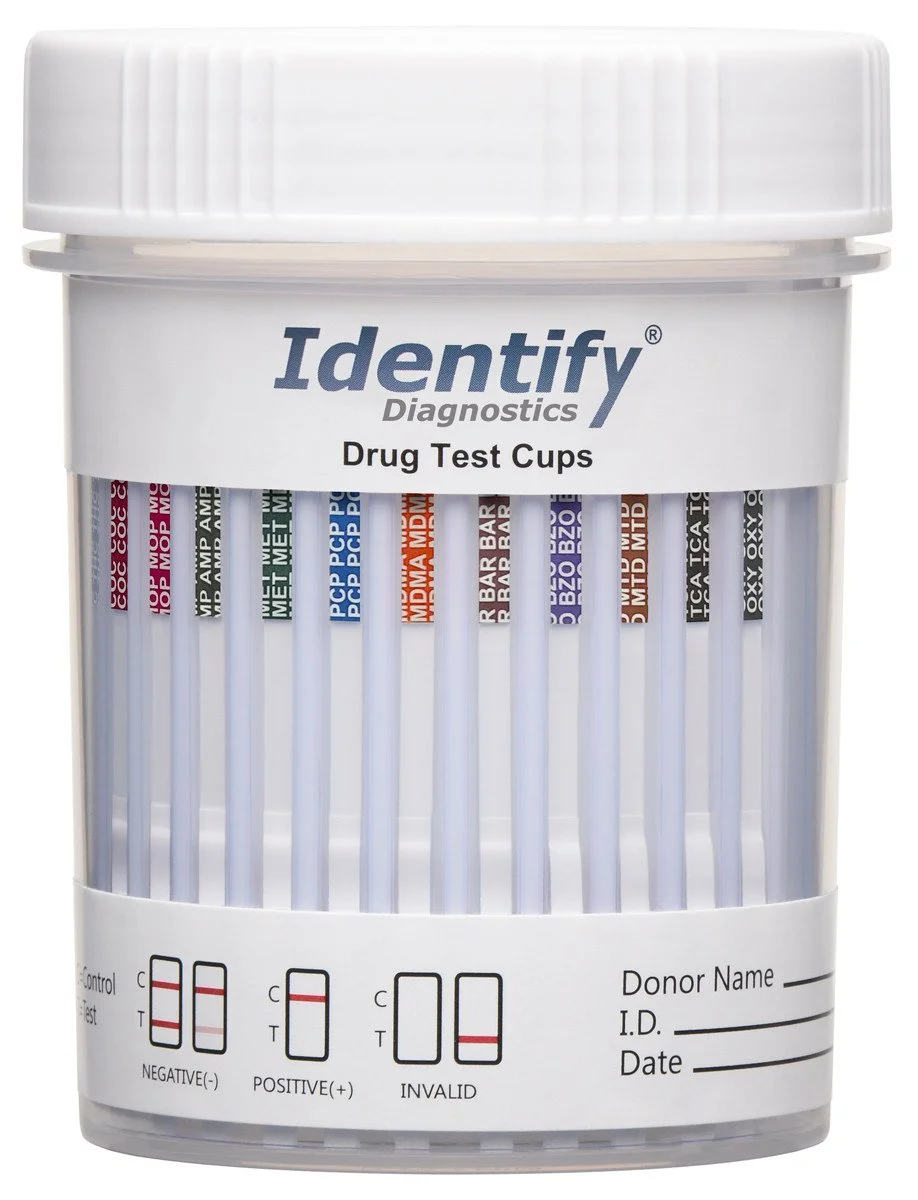
Urine drug screening is not used as a punishment. It is a recovery support tool.
In early sobriety, accountability is one of the strongest predictors of success. Many individuals genuinely want to stay sober but struggle with cravings, impulsive decisions, or high-risk situations. Having an external structure helps interrupt relapse before it progresses.
Drug screening helps in several important ways:
Supports honesty
Addiction thrives in secrecy. Regular screening removes pressure to hide or manage a relapse alone and allows us to address problems quickly and safely.
Early intervention
Relapse is usually a process, not a single event. Screening can identify substance use early so we can increase support, adjust structure, or help coordinate a higher level of care if needed.
Reduces family conflict
Families often feel they must “play detective,” which damages relationships. Objective testing removes arguments and replaces them with clear, neutral information.
Encourages accountability
Knowing there is consistent follow-through often helps clients pause and make a different decision during moments of temptation.
Builds trust over time
Negative screens allow families and support systems to gradually rebuild confidence, independence, and privileges in a healthy way.
Our goal is always recovery and safety — not consequences. Results are handled respectfully and used only to support appropriate next steps in care.
Drug screening is optional and used collaboratively as part of a recovery plan.
Urine drug screening is not used as a punishment. It is a recovery support tool.
In early sobriety, accountability is one of the strongest predictors of success. Many individuals genuinely want to stay sober but struggle with cravings, impulsive decisions, or high-risk situations. Having an external structure helps interrupt relapse before it progresses.
Drug screening helps in several important ways:
Supports honesty
Addiction thrives in secrecy. Regular screening removes pressure to hide or manage a relapse alone and allows us to address problems quickly and safely.
Early intervention
Relapse is usually a process, not a single event. Screening can identify substance use early so we can increase support, adjust structure, or help coordinate a higher level of care if needed.
Reduces family conflict
Families often feel they must “play detective,” which damages relationships. Objective testing removes arguments and replaces them with clear, neutral information.
Encourages accountability
Knowing there is consistent follow-through often helps clients pause and make a different decision during moments of temptation.
Builds trust over time
Negative screens allow families and support systems to gradually rebuild confidence, independence, and privileges in a healthy way.
Our goal is always recovery and safety — not consequences. Results are handled respectfully and used only to support appropriate next steps in care.
Drug screening is optional and used collaboratively as part of a recovery plan.